

By Zoë Flint
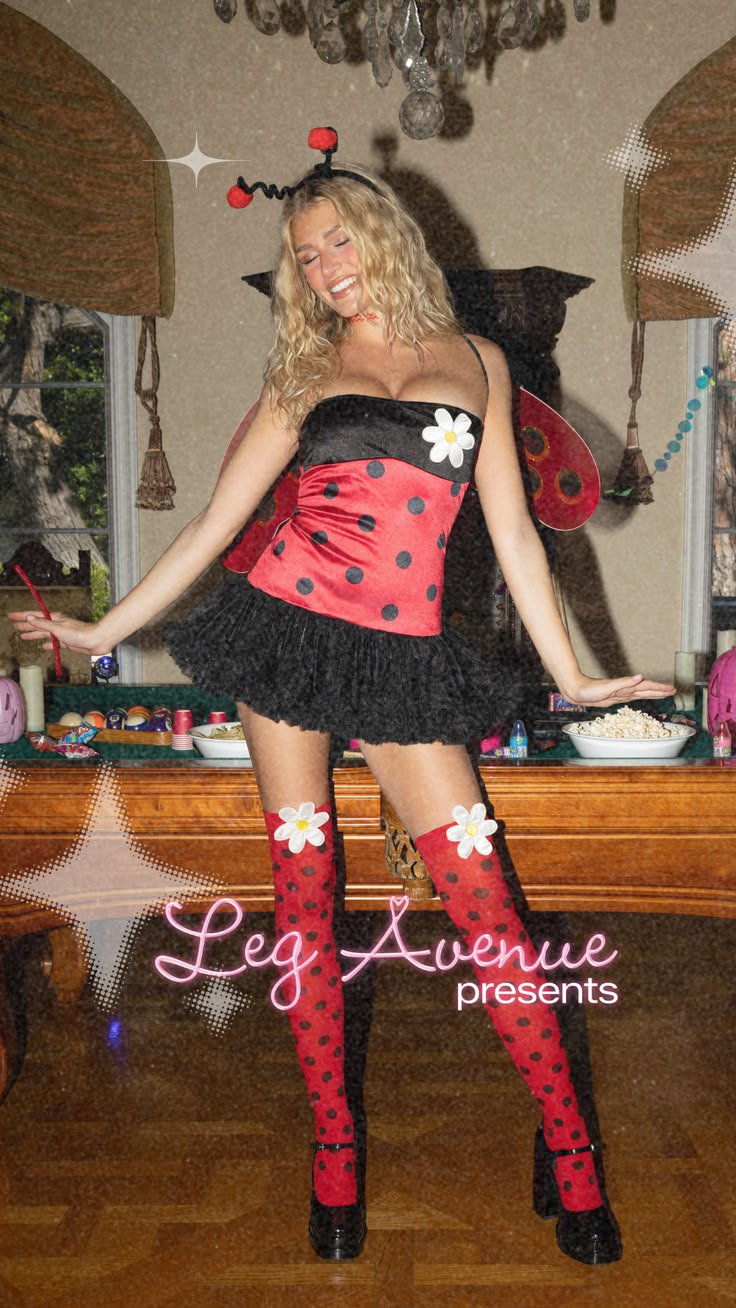
Like many people this time of year, I’ve been on the hunt for my next Halloween costume. Naturally, my social media feeds have caught on, and one brand keeps popping up: Leg Avenue Costumes. Before this year, I had never heard of Leg Avenue, but suddenly, it seems to be THE place to shop, with people online claiming it has been their go-to since the mid-2000s.
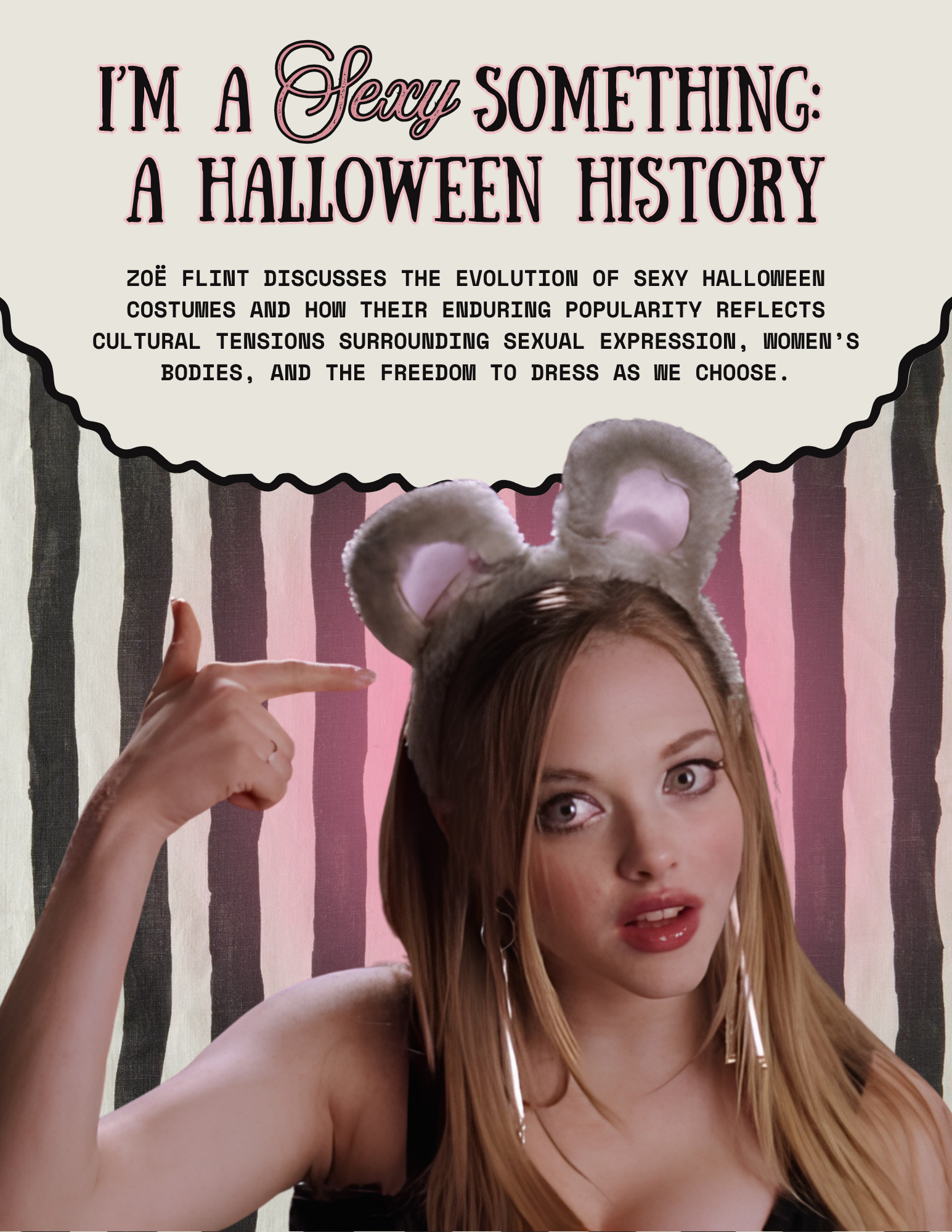
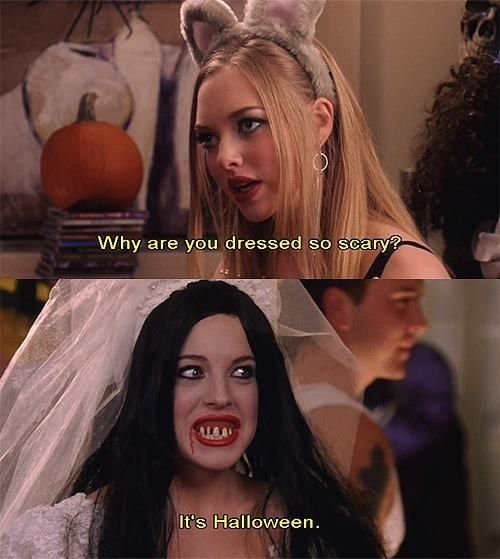
A quick scroll through Leg Avenue’s website, or the countless Depop and Vinted listings reselling its costumes, reveals a sea of scantily clad women in suspenders, corsets, and barely-there slip dresses. Somewhere along the way, I started wondering: Where did America's obsession with sexy Halloween costumes come from? And what does it mean to have good taste on “the one night a year when a girl can dress like a total slut and no other girls can say anything about it,” as Cady Heron famously puts it?
To understand how Halloween became so closely associated with sex appeal, it's worth looking at how the holiday evolved. Halloween traces its roots back roughly 2,000 years to the Celtic festival of Samhain, and Irish immigrants helped popularize the holiday in the United States during the 1800s. Early costumes were intended to frighten away evil spirits rather than attract attention. By the 20th century, Halloween had become increasingly commercialized, with companies like Ben Cooper, Inc. partnering with Disney to sell character-inspired costumes.
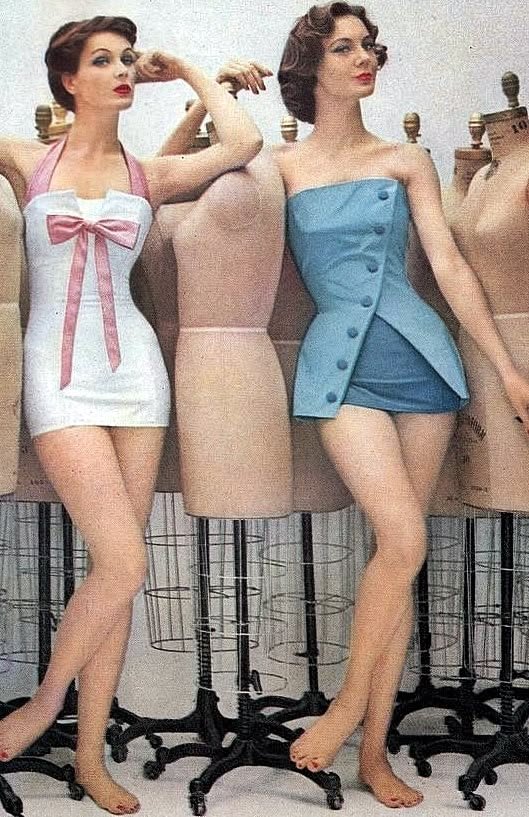
Meanwhile, American culture was becoming more comfortable with revealing clothing. World War II popularized pinup girls, Playboy arrived in the 1950s, and the sexual revolution of the 1960s and 1970s challenged conventional ideas about modesty. Gay liberation and second-wave feminism further challenged traditional expectations surrounding sexuality, while Halloween celebrations in San Francisco's Castro district and New York's Greenwich Village became opportunities for provocative self-expression.
By the 1980s, horror movies were getting bloodier, hemlines were getting higher, and pop stars like Madonna were embracing a more risqué aesthetic. Then came the 2000s, when movies like Mean Girls and Jennifer's Body helped cement the sexy Halloween costume as a cultural staple.
Suddenly, everyone seemed to be dressing as a sexy something.
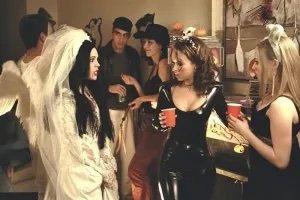
Today, especially in college, the sexy costume is practically unavoidable. Even when we aren't explicitly dressing sexy, there's an impulse to make an otherwise modest costume a little more revealing. This year, I'm dressing as Pam from The Office, a character whose wardrobe is famously frumpy. Yet here I am, planning to wear a black miniskirt that's considerably shorter than anything Pam would ever wear. It’s not very Dunder Mifflin of me.
But if everyone is sexy on Halloween, is anyone really sexy? To me, the appeal goes beyond looking attractive. Halloween offers an opportunity to show a side of ourselves that might feel out of place on the other 364 days of the year.
It's a celebration of sexual liberation, queer and feminist expression, and, more than anything, having fun.
Which brings me back to Leg Avenue and its apparent resurgence. If costumes reflect our culture, why is sexy still the default? With traditional values and conservatism gaining traction among some members of Gen Z, you might expect costumes to become more modest. Instead, my timeline seems to be getting progressively less clothed.
Maybe it's my age or our collective obsession with reviving Y2K fashion, with its emphasis on thinness. Or maybe it all comes back to Cady Heron's observation. At a time when our culture seems increasingly comfortable policing women's bodies, particularly those that fall outside narrow standards of acceptance, perhaps the most tasteful thing you can do is embrace the one night a year when those rules supposedly don't apply. Maybe good taste on Halloween isn't about how much skin you show, but rather about having the freedom to show it in the first place.
