

by Zoe Flint
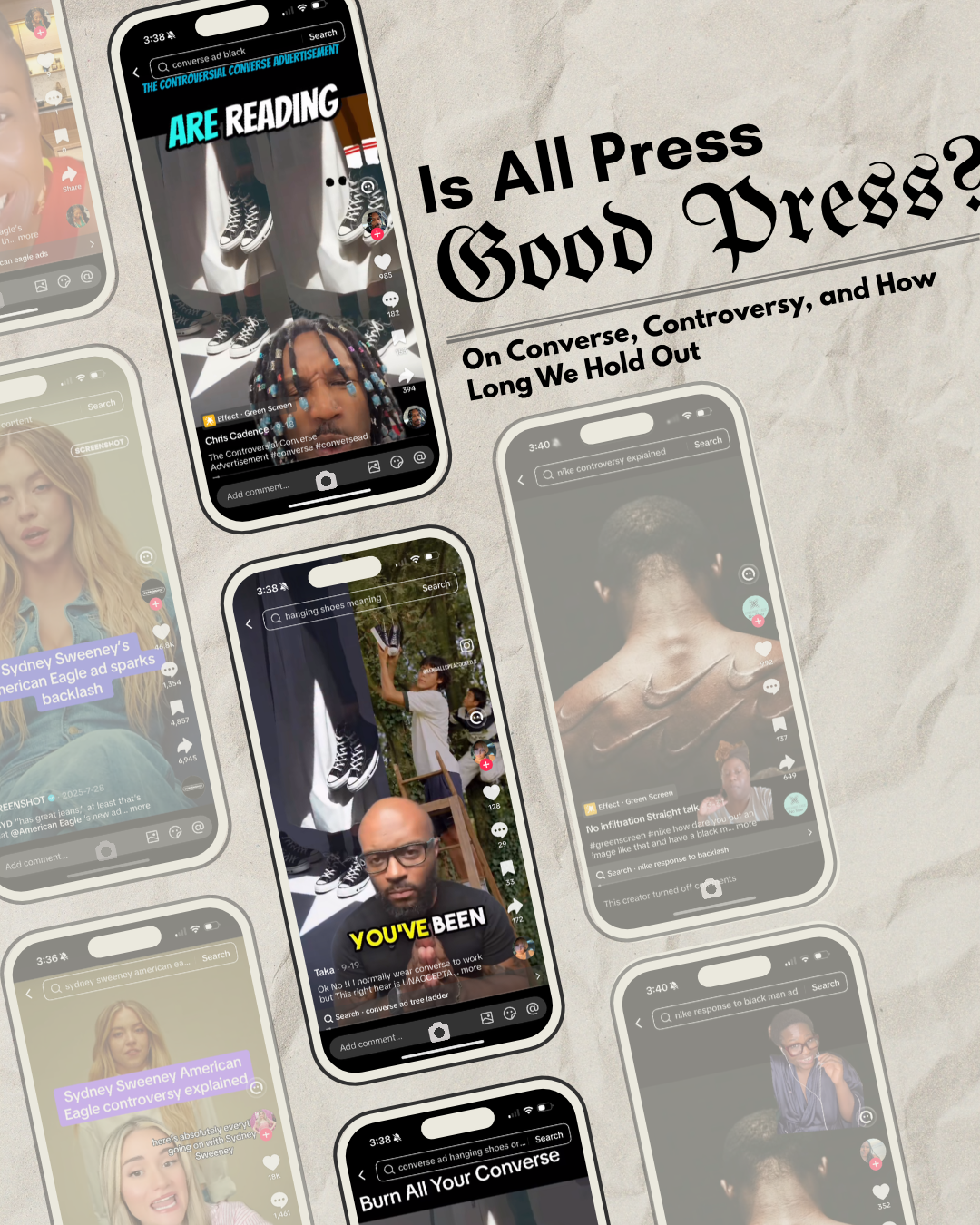
A couple of weeks ago, my For You page was taken over by a controversial new Converse ad, one that’s already been scrubbed from its site. I never saw the ad itself – only the public’s reaction to it – and I think it brings up a poignant question:
is all press good press?
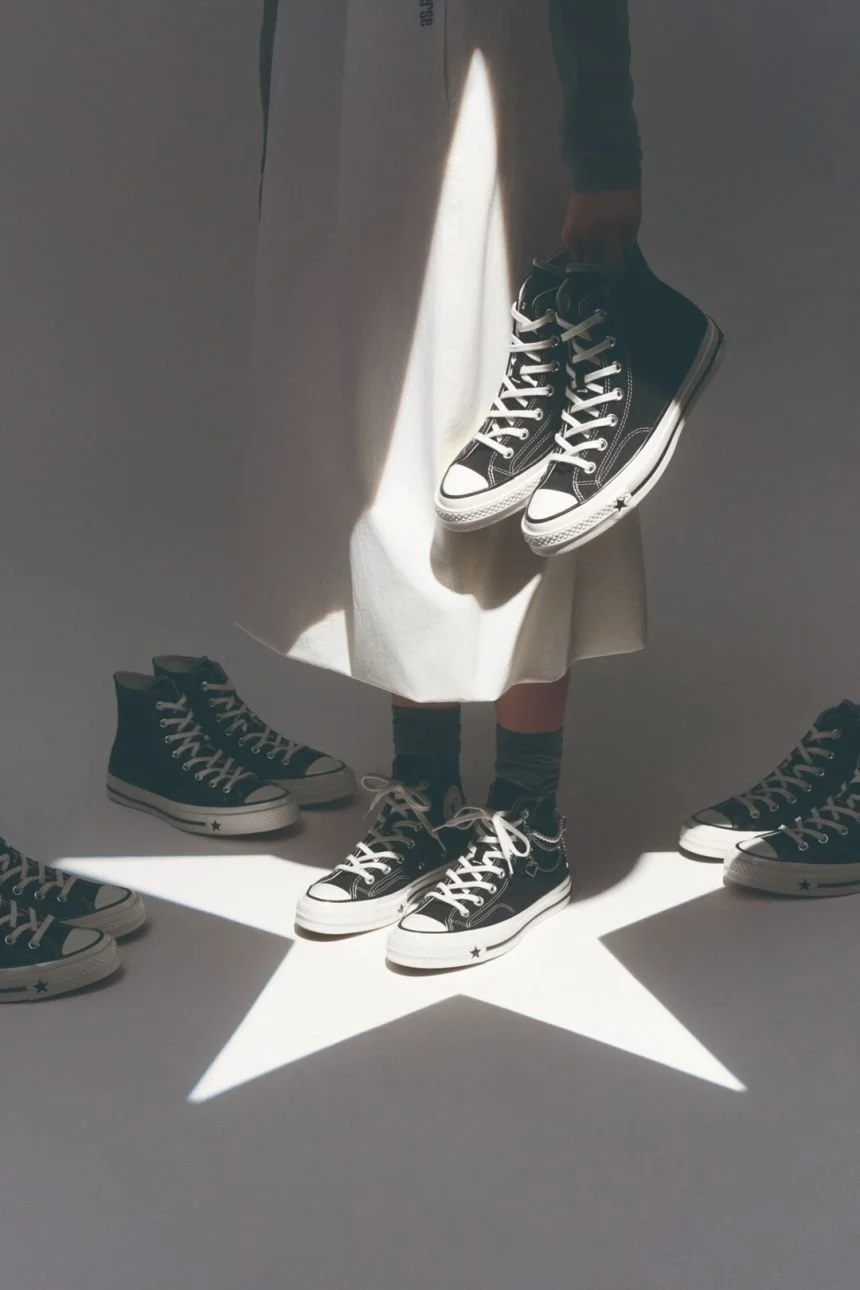
The ad shows a person in a white skirt, holding up a pair of black Converse. The main light in the photo is shaped like the Chuck Taylor logo star.
One point of the star falls on the white skirt, which makes the figure look like they’re wearing a Ku Klux Klan hood and robe. The black shoes hang from a black-gloved hand. Taken together, these details create an image that disconcertingly echoes the history of lynching in the United States.
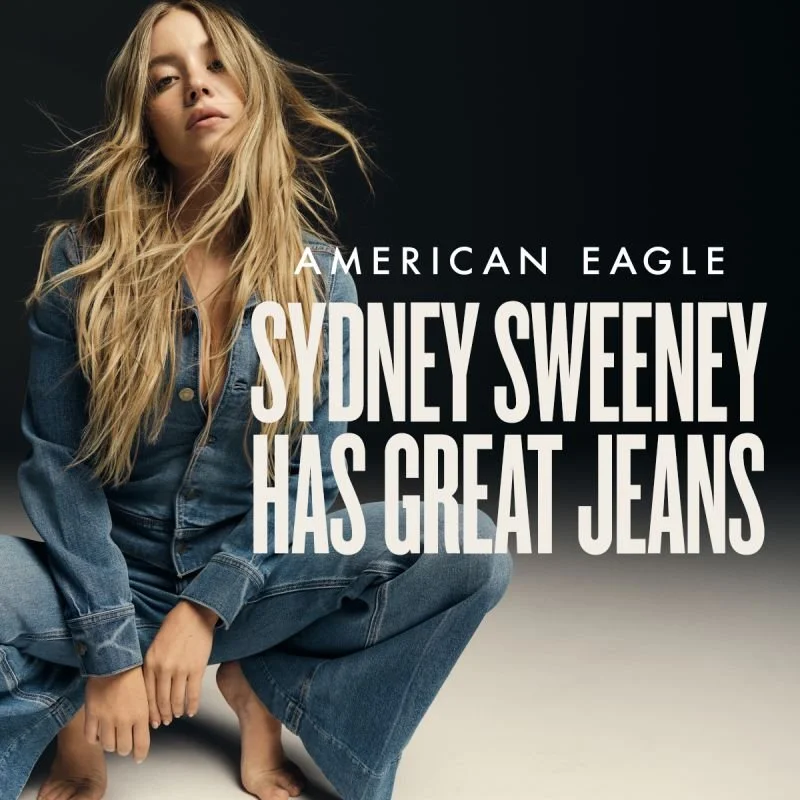
The controversy is reminiscent of American Eagle and its ad campaign starring Sydney Sweeney.
In both cases, a brand put out an ad that many people appropriately noted to have racist overtones and undertones. Considering the question at hand, I’ve been wondering how the ads we see and the public’s response to them fuel whether we choose to buy or wear items from these brands.
Personally, I’m a Converse lover. Throughout my childhood and up to now, the lace-up classics have been my go-to shoes. Recently, I've even been rocking a pair of Converse Mary Janes. But I haven’t really reached for my Converse shoes since I saw the backlash over their recent advertisement.
I have to ask myself: why is that?
I don’t necessarily think that Converse released the ad with the intention of creating a dog whistle. But the fact that the ad made it all the way to release, with no one stopping it, is a serious moral oversight that may point to deeper problems within the company.
It makes me question what exactly is going on behind the scenes on the Converse marketing team, which shares resources with the larger Nike conglomerate.
Does it have something to do with the fact that the ad was a partnership with a member of the K-pop group Aespa, meaning it wasn’t formulated with American audiences in mind?
Or with the rise of AI in professional spaces, were there even human eyes on the ad before it got released?
Whether the ethos was intentional or not, it had real-world consequences.
As a Black woman, my hesitance to wear my Converse now might seem obvious, and for the most part it is intentional. At a baseline level, I don’t want to support a brand that uses racist imagery. But I’ve also already bought my Converse; by simply wearing them, it’s not like I’m directly supporting the brand or giving them money.
So is it fine to wear them, if only occasionally?
As I thought about this article, I asked a lot of my friends and family members the same thing. They agree that the ad may not have been intentionally harmful, but it was definitely questionable. Almost all of them told me they would pause before wearing their Converse out for the foreseeable future and forget about buying a new pair.
When I reflected personally and asked my family and friends, I had to dig a bit to find the root of that pause. I was drawn to the idea of a social panopticon of sorts, one that keeps us accountable and incredibly conscious of what brands and images we choose to align ourselves with.

Jeremy Bentham’s Panopticon
The panopticon refers to a prison structure where cells form a circle around a central guard post. The guard post is behind a screen, so the guards can see out, but the prisoners can’t see in. The prisoners don’t actually know when they’re being watched, but they must assume that they are under surveillance at all times. Thus, they discipline themselves, without any input from the guards.
I think we can conceptualize the panopticon in many parts of modern life. One that comes to mind is the constant self-regulation that happens in an age of cultural consciousness. It’s easy to say that I’m avoiding my Converse or skipping the American Eagle store simply because their ads were racist.
But deep down, the threat of constant social surveillance is what keeps me accountable.
Social media sensationalizes controversies like these. It feels like everyone knows about a bad ad and, thus, what it means for me to wear certain shoes. To wear the products of these misaligned companies is to misalign oneself in a social network, which often isn’t as widespread as it seems.
Will I pick up my Converse to wear tomorrow or in the next couple of weeks? Probably not.
In a few months, might I? I probably will.
That’s another feature of this social media-driven, socialized panopticon: it’s temporary. Once the ad fades from our collective memory, it’ll feel better to put our Converse back on.
So, what does this mean for brands like Converse or American Eagle and its good jeans, or Nike with their logo branded into the backs of black men? And if you didn’t know, that’s sort of my case in point. I think that not all press is necessarily good press. Most people today might express reservations about supporting Converse or American Eagle.
But conversations like these only stay in the mainstream for a while.
Videos about the ad have already stopped showing up on my For You page. Eventually, people will forget and buy a new pair of Chuck Taylor All Stars.
As consumers, we might try to ask where we draw the line in the sand, but we also have to remember that sand blows away.
