

by Vivian Lu
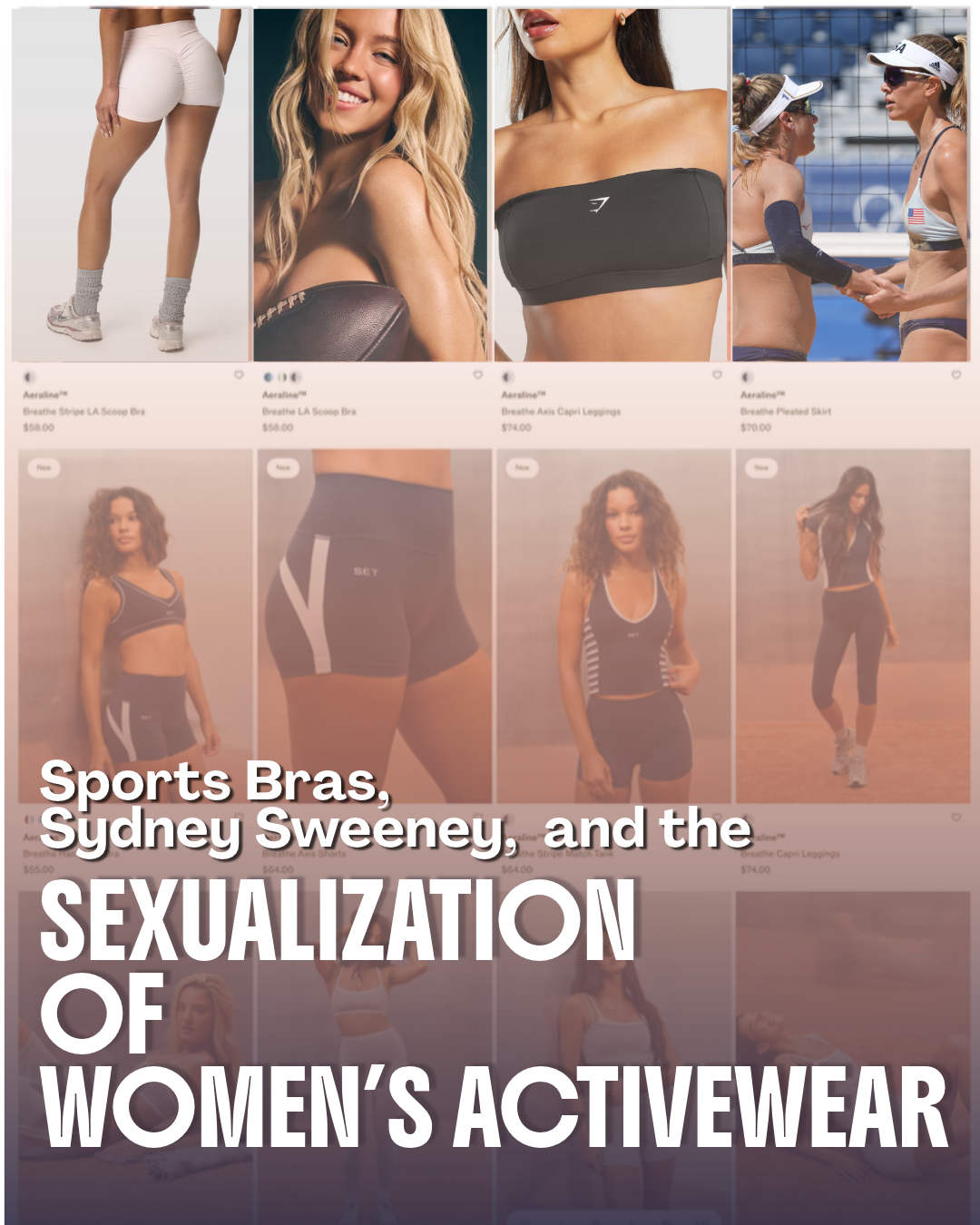
In a recent ad for the sports-betting company Novig, Sydney Sweeney sits nude with two footballs pressed against her chest. Between Novig’s Instagram page and Sweeney’s own, the ad racked up nearly 4 million likes, and the producers framed her nudity as a form of empowerment for women in sports.

Syndey Sweeney’s ad for Novig
Sweeney is free to pose however she wants, and plenty of women genuinely feel empowered by showing their bodies. I am less concerned by what Sweeney represents and more with how the ad weaponizes it. This reflects a bigger problem with women’s sportswear:
workout clothes designed for women aren’t actually designed for movement.
Booty shorts come with a little scrunch in the back for “lift.” Tube tops are making a comeback with popular gym influencers, even though it’s nearly impossible to get through a workout wearing one.
Wearing as little as possible has essentially become the definition of empowerment, and
the male gaze has played a big role in shaping what that empowerment looks like.
I’ve been lifting for the last three years, and I’ve realized how little comfortable workout clothing actually exists for women. The yoga store in my hometown has started selling sports bras with cute lace lining that digs into your skin. Lululemon and Alo make jackets with impossibly skinny sleeves, as if women only train arms to “tone the muscle.” Even one of my favorite gym brands, Breathe Divinity, has a separate women’s line that is mostly shorts, baby tees, and tank tops.
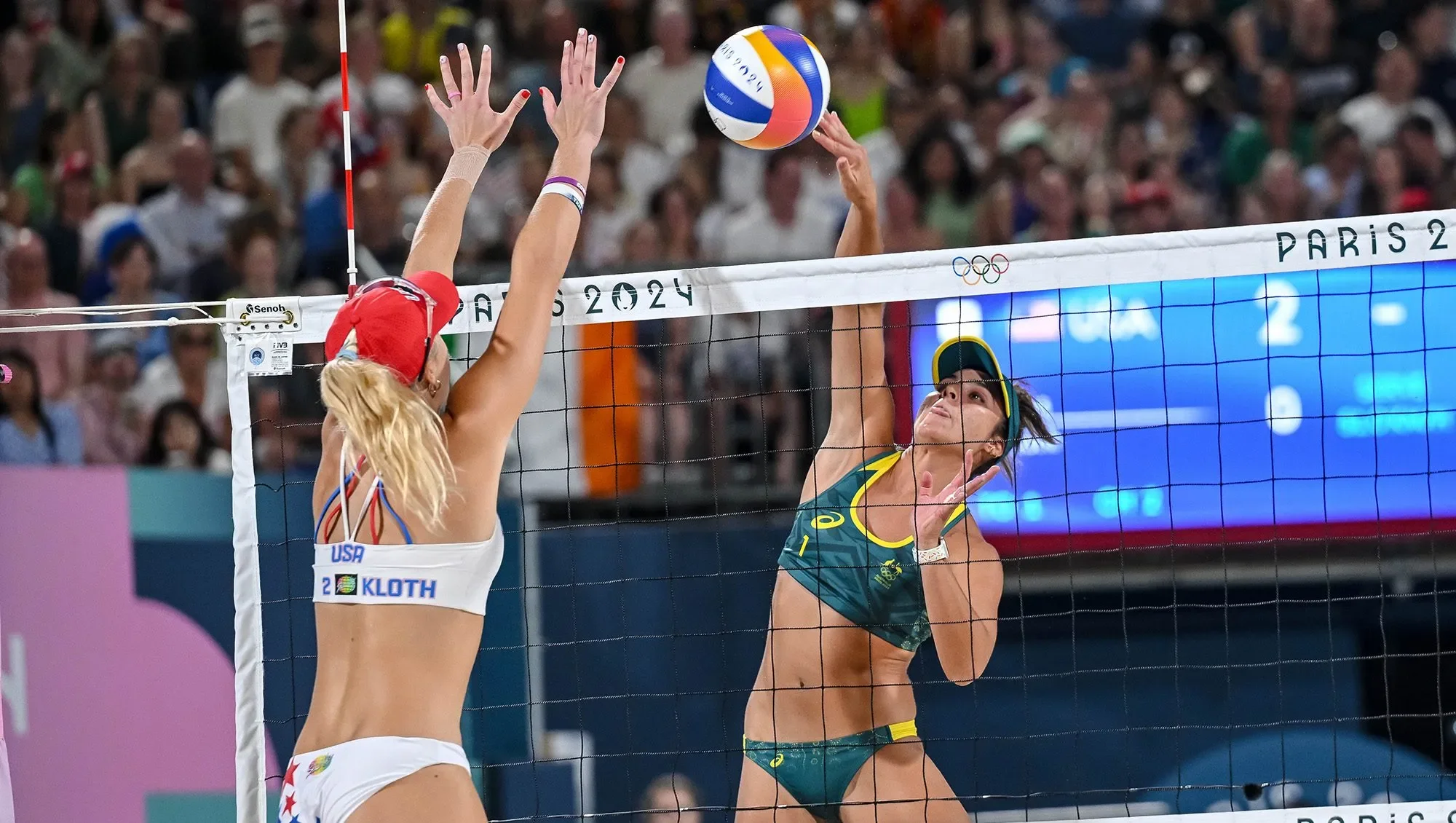
I don’t intend to call out a specific brand, because the issue extends far beyond any single company. The problem is rooted in how our culture views women in athletic spaces more broadly. It shows up in the sexist uniforms women athletes are expected to wear, like the revealing shorts that have become normal in professional volleyball. It also shows a general lack of respect for female athletes.
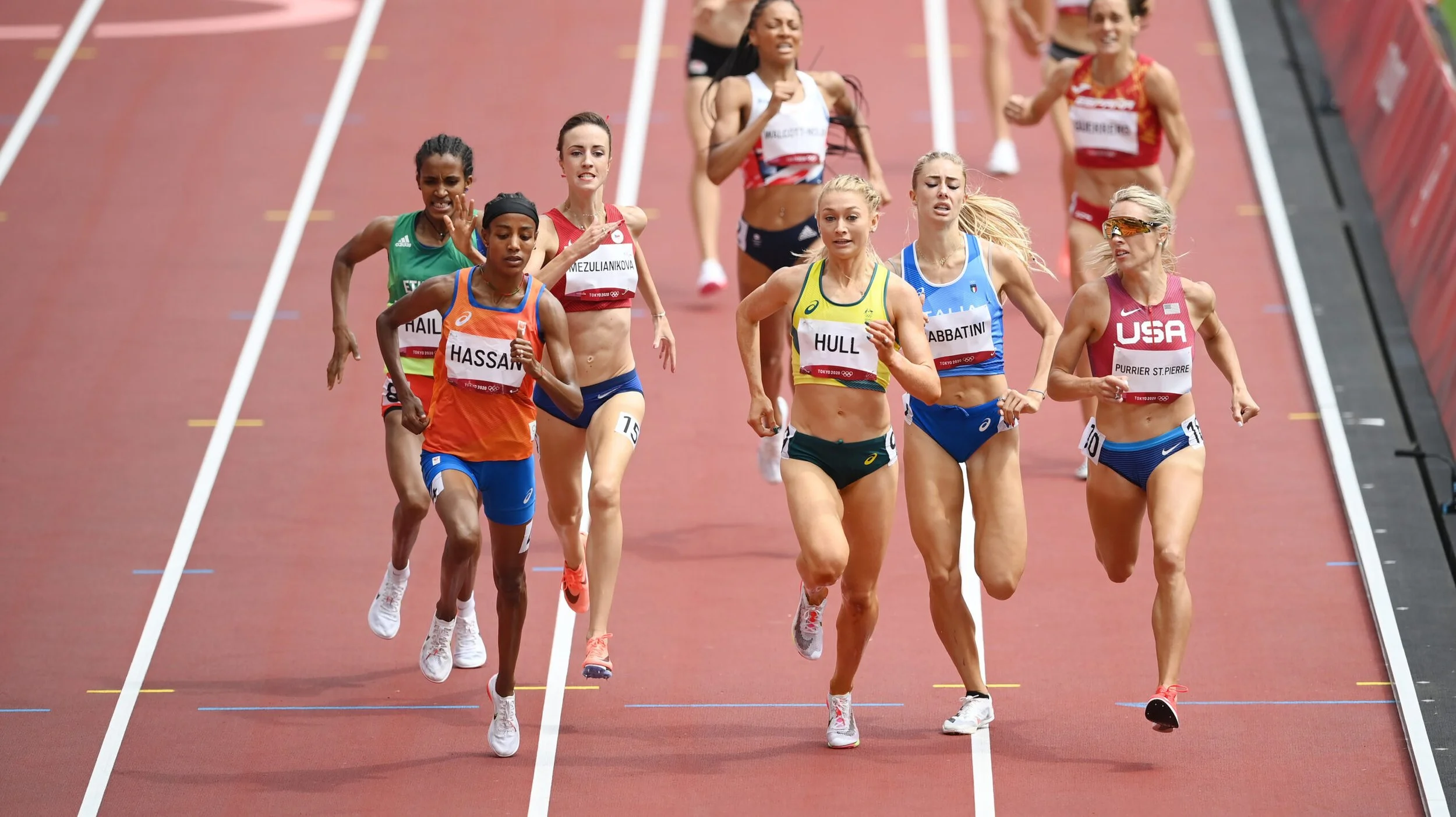
Viral videos on Instagram and YouTube show men eagerly betting money that they can beat professional female athletes at sports like basketball and tennis. The men lose every time, but people in the comments still come to their defense. Women who do build visible strength are punished for it, as videos of women with noticeable muscle get dozens of comments like “that’s a man.” Meanwhile, female influencers go viral for claiming they’ve trained with only five-pound weights for their entire gym journey, which reinforces the idea that women should stay small rather than strong.
The lack of care for comfort and mobility in women’s sportswear clearly stems from a lack of care for women in sports in general. Even brands that want to be more progressive have to grapple with low customer demand for anything outside the status quo. Booty shorts and crop tops are all young women see online and in stores, so we don’t think to ask for anything else.
Even so, we can still make good choices as individual consumers about what we wear and which brands we support. I own an entire drawer full of workout clothes, and I’ve picked up a few tips for shopping for the gym as a woman. Drawstring sweatpants fit well regardless of gender, and they’re a great option for cooler days. Men’s T-shirts have a boxier fit that makes them perfect as a pump cover or a loose workout shirt. When it comes to sports bras, I look for brands dedicated to making bras for larger-chested women, since they have the right technology for back support and structure. I’ve also learned to be careful with online brands and influencer sponsorships, because the way something fits on a fitness influencer may not be the way it fits on you.
There’s nothing wrong with wanting to look cute at the gym or showing some skin when you feel good about your body. I enjoy lifting in a halter top or my favorite short tennis skirt every now and then, too.
The real issue isn’t that women wear revealing clothes to the gym. The issue is that stores don’t offer us an alternative. A shift toward comfort in activewear wouldn’t stop brands from making low-cut sports bras or leg-sculpting leggings. It would simply give shoppers and gym-goers more options.
I’m not calling for the end of sexy sportswear. I just hope that comfortable alternatives will become an option for women in the future.
